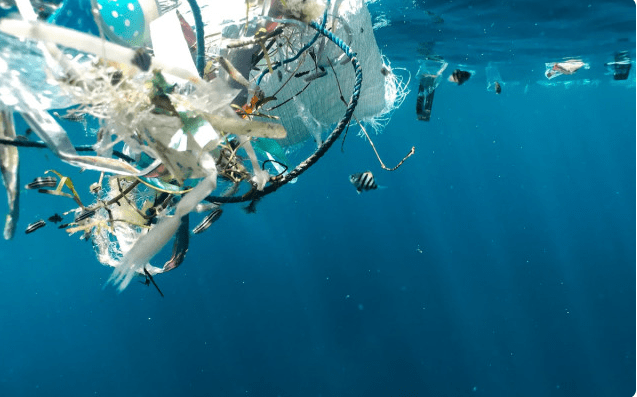
Oceans cover more than 70% of our planet and play a critical role in maintaining the Earth’s ecological balance. They regulate the climate, produce oxygen, and provide food and livelihoods for billions of people. However, these vital ecosystems are under severe threat from an ever-growing crisis: microplastic pollution. Recent studies reveal the scale of the problem, its devastating consequences, and the urgent need for action.
Understanding Microplastic Pollution
What is Microplastic? Microplastics are tiny plastic particles less than 5 millimeters in size. They are classified into two categories:
- Primary microplastics: Produced intentionally, such as microbeads in cosmetics or fibers from synthetic clothing.
- Secondary microplastics: Result from the breakdown of larger plastic items like bottles, bags, and fishing nets.
Sources of Microplastics
- Runoff from urban areas: Plastic waste from landfills and streets is washed into rivers and oceans.
- Synthetic textiles: Washing synthetic clothing releases microfibers into wastewater.
- Marine activities: Fishing gear, nets, and ropes contribute significantly to oceanic microplastic.
- Degraded plastic debris: Sunlight, wind, and waves break down larger plastics into microplastics over time.
The Current State of Ocean Microplastic Pollution
Latest Data and Trends
- Scale of Pollution: According to a 2023 study by the Alfred Wegener Institute, over 170 trillion pieces of microplastic are now floating in the world’s oceans.
- Rate of Accumulation: The volume of microplastic pollution has increased dramatically in the last decade, with some estimates predicting it will double by 2040 if current trends continue.
- Affected Regions: Microplastic concentrations are highest in the North Pacific, Indian Ocean, and Mediterranean Sea, where currents trap particles in large gyres.
Impacts on Marine Ecosystems
- Marine Life:
- Zooplankton, fish, and shellfish ingest microplastics, mistaking them for food.
- Larger marine species, including whales and seabirds, suffer from internal injuries, starvation, and even death due to plastic ingestion.
- Food Chain Contamination:
- Microplastics absorb toxic chemicals like pesticides and heavy metals. These pollutants enter the food chain when ingested by marine organisms.
- Humans consuming seafood are exposed to these toxins, posing health risks such as hormonal imbalances and organ damage.
- Habitat Degradation:
- Coral reefs and seagrass beds, vital ecosystems for biodiversity, are being smothered by plastic debris, reducing their capacity to support marine life.
Future Consequences if Left Unchecked
Environmental Impact
- Oxygen Production Decline: Phytoplankton, responsible for producing half the world’s oxygen, are negatively impacted by microplastic pollution, disrupting the balance of marine ecosystems.
- Loss of Marine Biodiversity: Entire species may face extinction due to habitat destruction and ingestion of microplastics.
Economic Consequences
- Fisheries and Tourism: Declining fish populations and degraded coastal areas will severely impact global fisheries and tourism industries, costing billions annually.
- Healthcare Costs: Increased exposure to microplastic-related toxins may lead to a rise in health issues and associated healthcare expenses.
Global Warming Feedback Loop
- Plastic particles in the ocean reduce its ability to absorb CO₂, intensifying climate change.
What Needs to Be Done?
1. Policy and Legislation
- Plastic Bans: Enforce bans on single-use plastics and microbeads in cosmetics.
- Extended Producer Responsibility (EPR): Hold manufacturers accountable for plastic waste generated by their products.
- International Agreements: Strengthen global commitments like the UN’s “End Plastic Pollution” treaty to reduce marine plastic pollution.
2. Innovations in Waste Management
- Improved Recycling: Develop advanced recycling technologies to reduce plastic waste.
- Biodegradable Alternatives: Invest in research for sustainable alternatives to conventional plastics.
- Ocean Cleanup Initiatives: Expand projects like The Ocean Cleanup to remove plastics from major gyres.
3. Public Awareness and Action
- Reduce Plastic Use: Encourage individuals to use reusable bags, bottles, and utensils.
- Education Campaigns: Raise awareness about the impact of microplastics and how to minimize them.
- Support Research: Advocate for funding scientific studies on microplastics and their mitigation.
4. Innovation in Textiles
- Develop fabrics that shed fewer microfibers during washing and create filters for washing machines to capture released particles.
Conclusion
Microplastic pollution is a growing threat to the health of our oceans, marine life, and humanity. If current trends persist, the ecological and economic costs will be devastating. However, with immediate and coordinated action—from policy changes to individual efforts—we can turn the tide against this crisis. Our oceans are vital to life on Earth, and protecting them must become a global priority.
By addressing microplastic pollution today, we ensure a healthier, more sustainable future for generations to come.
 Pacific Outlier -Where science meets mind, technology, and climate.